

Medical Weight Loss and Facial Aging: What You Need to Know Before You Start


Medical weight loss treatments have rapidly become one of the most searched topics in modern healthcare. From GLP-1 medications to advanced provider-guided metabolic programs, more people are exploring medically supervised solutions to manage weight safely and effectively. However, while these treatments can deliver impressive results for metabolic health and body composition, many patients are unaware of an important consideration: weight loss can also affect the face.
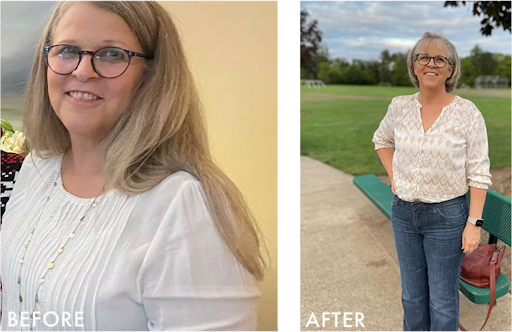
A common concern that has emerged alongside the rise of GLP-1 medications is what people now refer to as “weight loss face” or facial aging after rapid fat loss. Patients often notice hollowing in the cheeks, skin laxity around the jawline, or a tired appearance that appears sooner than expected.
At Aura Aesthetics in Portland, Oregon, we believe in addressing these concerns before treatment begins. Weight loss should improve your health and confidence, not create new worries about how you look. By understanding how metabolism, fat distribution, and skin structure interact, patients can approach medical weight loss with a clear plan that supports both their health and their appearance.
This proactive, medically guided approach helps ensure weight loss remains sustainable, balanced, and aligned with long-term aesthetic outcomes.
Understanding Medical Weight Loss Treatments
Medical weight loss programs are designed to support patients who struggle with traditional diet and exercise approaches. These programs typically involve physician supervision, metabolic assessment, and medications that regulate appetite and blood sugar.
How GLP-1 Medications Work
GLP-1 medications mimic a hormone called glucagon-like peptide-1, which naturally regulates appetite and insulin response. These medications slow gastric emptying, reduce hunger signals, and help stabilize blood sugar levels.
For many patients, this creates a meaningful shift in how the body processes energy and stores fat.
Why These Treatments Are So Effective
Unlike traditional dieting, medical weight loss therapies address the underlying metabolic mechanisms that influence appetite and weight regulation.
GLP-1 receptor agonists support weight loss by influencing appetite regulation, energy intake, and metabolic signaling, helping patients feel fuller for longer and maintain a reduced calorie intake. Clinical research published in the Journal of Clinical Endocrinology & Metabolism demonstrates that these medications can lead to significant and sustained weight loss through these physiological mechanisms (Wilding et al., 2021).
Why Weight Loss Can Affect Your Face
The face contains several fat compartments that contribute to youthful facial structure. When weight is lost quickly, these fat pads may shrink alongside body fat.
Fat Loss and Facial Volume
Fat pads in the cheeks, temples, and around the mouth provide natural support to the skin. When these areas lose volume, the face may appear more hollow or tired.
This change can happen even when weight loss is medically beneficial.
Skin Laxity After Rapid Weight Loss
Skin elasticity depends on collagen, elastin, and hydration levels. When fat disappears rapidly, the skin may not contract immediately.
This can lead to mild laxity around the lower face or jawline.
Why Some People Notice Changes More Than Others
Several factors influence how the face responds to weight loss.
Age plays a major role. Collagen production naturally declines over time, which means the skin may not rebound as easily as it once did.
Genetics, skin quality, and the speed of weight loss also influence how noticeable these changes become.
The Connection Between Metabolism and Facial Ageing
Weight loss is not simply a cosmetic change. It reflects deeper shifts in metabolism, hormones, and fat distribution.
Hormonal Shifts During Weight Loss
Weight loss medications influence appetite hormones and insulin regulation. These changes can alter fat storage patterns throughout the body, including the face.
How Fat Distribution Changes Over Time
As we age, fat tends to migrate downward or diminish in certain areas. Weight loss can accelerate this natural process, especially in the midface.
Why the Midface and Jawline Change First
The midface contains several structural fat pads that support the cheeks and under-eye area. When these pads shrink, shadows can appear beneath the eyes and around the nasolabial folds.
At the same time, reduced structural support can allow the lower face to soften.
Planning for Facial Changes Before Weight Loss Begins
The best approach is not to avoid weight loss treatments, but to anticipate how they may affect the face.
Why a Preventative Approach Matters
Many patients seek aesthetic treatments only after noticing facial changes. Planning ahead allows providers to maintain balance as weight changes occur.
This approach protects natural facial proportions and prevents overcorrection later.
Maintaining Skin Quality During Weight Loss
Skin quality plays a critical role in how the face adapts to weight changes.
Treatments that support collagen production and skin regeneration can help the skin maintain firmness and elasticity during metabolic changes.
For example, CO2 laser skin resurfacing can improve skin texture and stimulate collagen remodeling, helping maintain skin strength as fat distribution shifts.
Restoring Facial Structure After Weight Loss
If facial volume loss occurs, several treatments can restore balance while maintaining natural results.
Collagen Stimulation Treatments
Biostimulatory treatments help the body rebuild its own collagen gradually.
One of the most effective options is Sculptra collagen stimulation, which encourages the skin to produce new collagen over time. This can improve facial support without creating an artificial or overfilled appearance.
Neuromodulators for Dynamic Aging
Muscle movement contributes to the formation of expression lines. Strategic use of Botox treatments can soften these lines, stopping the movement that makes the wrinkle, while maintaining natural facial expression.
This helps maintain a refreshed appearance as facial volume changes.
Regenerative Skin Therapies
Regenerative treatments such as PRF can improve skin quality by supporting tissue repair and cellular renewal.
These treatments focus on skin health rather than simply adding volume.
Medical Weight Loss and Skin Health
Weight loss programs often focus on body composition, but skin health is equally important.
Collagen Loss During Aging
Collagen production declines naturally after the age of 30. Rapid weight loss can make this decline more visible because facial fat that once supported the skin becomes reduced.
Supporting Skin Regeneration
Medical-grade skincare and regenerative treatments can support skin strength and resilience.
Products containing growth factors, antioxidants, and collagen-supporting ingredients help maintain skin integrity during metabolic changes.
At Aura Aesthetics, skin health is treated as an essential component of any long-term weight management plan.
Why a Holistic Strategy Matters
Weight loss is not simply about reducing numbers on a scale. It is about improving overall health while maintaining a balanced, natural appearance.
Integrating Medical and Aesthetic Care
A clinic that understands both metabolic health and aesthetic medicine can create a more comprehensive plan.
This might include medical weight loss treatments, collagen-stimulating therapies, and skin rejuvenation treatments that work together.
Avoiding Reactive Treatment Decisions
When weight loss and facial aging are addressed separately, patients may feel they are constantly trying to correct new concerns.
Planning ahead allows treatments to be staged thoughtfully as weight changes occur.
At Aura Aesthetics, consultations focus on understanding each patient’s long-term goals so that treatments support both health and confidence.
This approach reflects the clinic’s commitment to natural outcomes and medically guided care rather than reactive or trend-driven treatments.
When to Seek Professional Advice
If you are considering medical weight loss treatments, discussing facial aging concerns before beginning treatment can help set realistic expectations.
Signs Weight Loss May Affect Your Face
Patients sometimes notice:
• hollowing in the cheeks • deeper lines around the mouth • increased skin laxity around the jawline • changes in facial balance
These changes are normal but can often be addressed with appropriate treatment planning.
Why Consultation Matters
A personalised consultation allows providers to assess facial structure, skin quality, and metabolic factors together.
This ensures that weight loss treatments support both health and appearance.
Patients who approach weight loss with a comprehensive strategy often experience the most balanced and satisfying outcomes.
Everyone Always Asks Does medical weight loss cause facial aging?
Weight loss itself does not cause aging, but rapid fat loss can reduce facial volume, making natural aging changes more noticeable.
What is “weight loss face”?
This term refers to facial hollowing or skin laxity that may appear after significant or rapid weight loss due to reduced facial fat.
Can facial volume loss be treated after weight loss?
Yes. Treatments such as collagen stimulators, regenerative therapies, and injectables can restore facial balance while maintaining natural results.
Are GLP-1 medications safe for weight loss?
GLP-1 medications are FDA approved for weight management and can be effective when prescribed and monitored by a medical professional.
Should I consider aesthetic treatments before starting medical weight loss?
Many patients benefit from discussing skin and facial changes with a provider before beginning treatment so a long-term strategy can be developed.

All treatments at Aura Aesthetics are performed by qualified professionals using medical-grade products. We believe in transparent communication about realistic expectations, potential risks, and individual results. Because at the end of the day, informed patients get the best outcomes.
Works Cited
Wilding, J.P.H., Batterham, R.L., Calanna, S., Davies, M., Van Gaal, L.F., Lingvay, I., McGowan, B.M., Rosenstock, J., Tran, M.T.D., Wadden, T.A. and Wharton, S., 2021. Once-weekly semaglutide in adults with overweight or obesity. Journal of Clinical Endocrinology & Metabolism, 106(3), pp.e1465–e1476.


